Policy-relevant insights
Provides evidence-based recommendations for Nigerian policymakers navigating digital transformation and labour market change.
A doctoral research project examining how AI-driven labour market risk in Nigeria should shape adaptive social protection design in high-informality contexts.
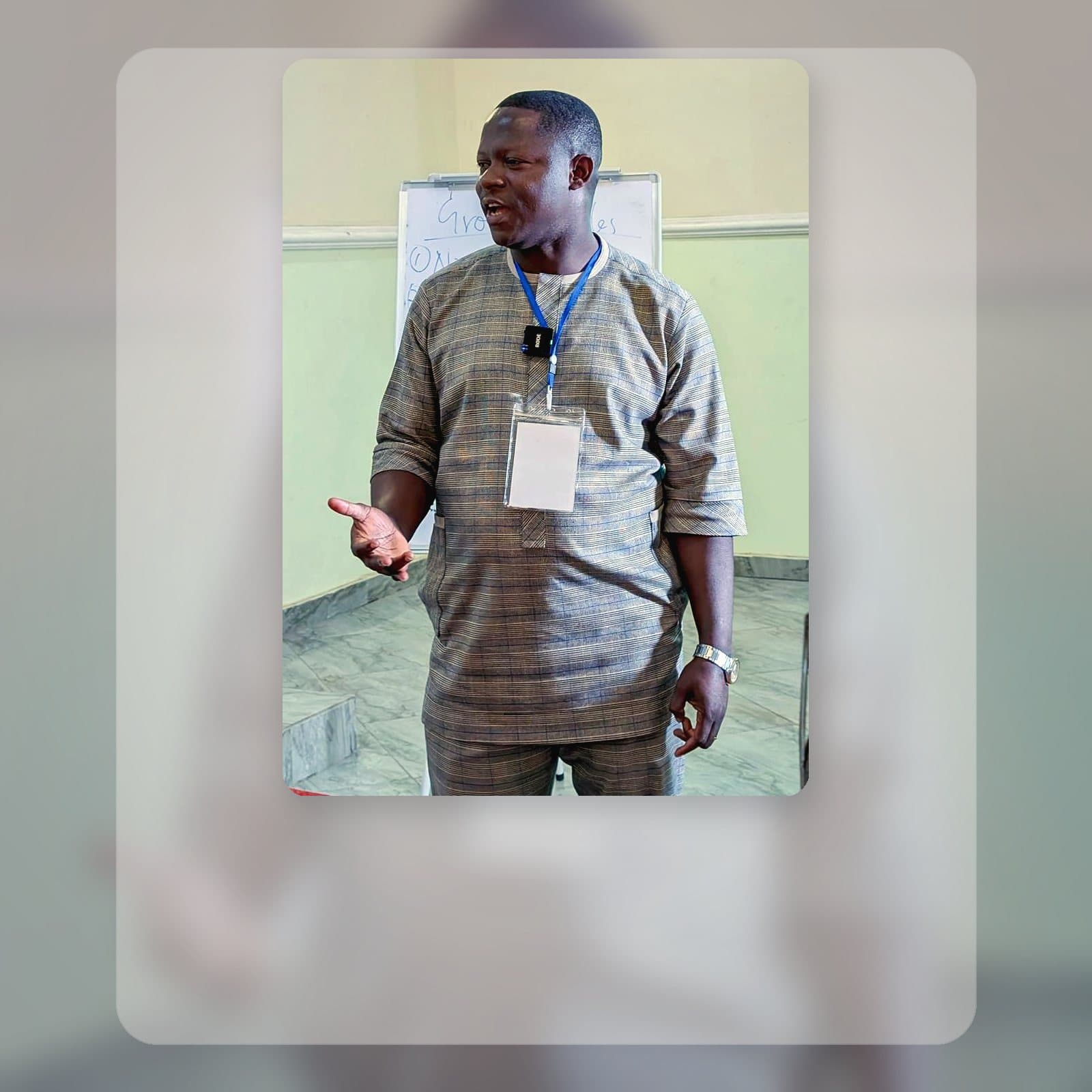
This research investigates the intersection of rapid technological advancement and socio-economic stability in Africa's largest economy. As Artificial Intelligence begins to permeate global value chains, the study specifically focuses on the Nigerian labour market's unique architecture. By analyzing the vulnerabilities of both formal and informal sectors, the research aims to bridge the gap between AI-driven transformation and the necessary evolution of social safety nets.
Primary Aim of the Study
To examine emerging AI-related labour market risks in Nigeria and assess how social protection systems can be designed or adapted to respond effectively within a high-informality context.
What labour market risks are likely to emerge in Nigeria in relation to AI?
Which groups of workers are most exposed, particularly within the informal sector?
How well do existing social protection programmes respond to these risks?
What design features are required for a more adaptive social protection system?
Analyse AI-related labour market risks in Nigeria.
Identify vulnerable groups and sectors.
Assess the responsiveness of existing social protection programmes.
Propose an adaptive social protection framework.

The study is designed to produce practical value for policy, labour market governance, and adaptive social protection design.
Provides evidence-based recommendations for Nigerian policymakers navigating digital transformation and labour market change.
Adds to the wider conversation on the future of work, AI, and social protection in emerging economies.
Surfaces critical deficiencies in current social safety nets, especially for workers operating outside the formal economy.
Offers practical guidance for building social protection systems that can evolve alongside technological change.
Open to research collaboration, policy engagement, and partnerships. If you are interested in the future of work, AI ethics, or social protection in Nigeria, let’s connect.